Overview
Microbial fuel cells (MFCs) use bacteria to convert organic matter into electricity, offering a low‑cost, renewable power source that can run on waste streams like wastewater and agricultural by‑products. In this project, I built air‑cathode soil MFCs and tested how temperature, nutrients, and soil pH affect their electrical output to identify the most optimal operating conditions.
Awards & Recognition
- 2nd Place – ScienceMontgomery 2023, Combined Biology/Chemistry/Behavioral & Social Sciences Category
- Numerous community and special awards
Research Poster
📄 Download Full Poster (PDF)How It Works
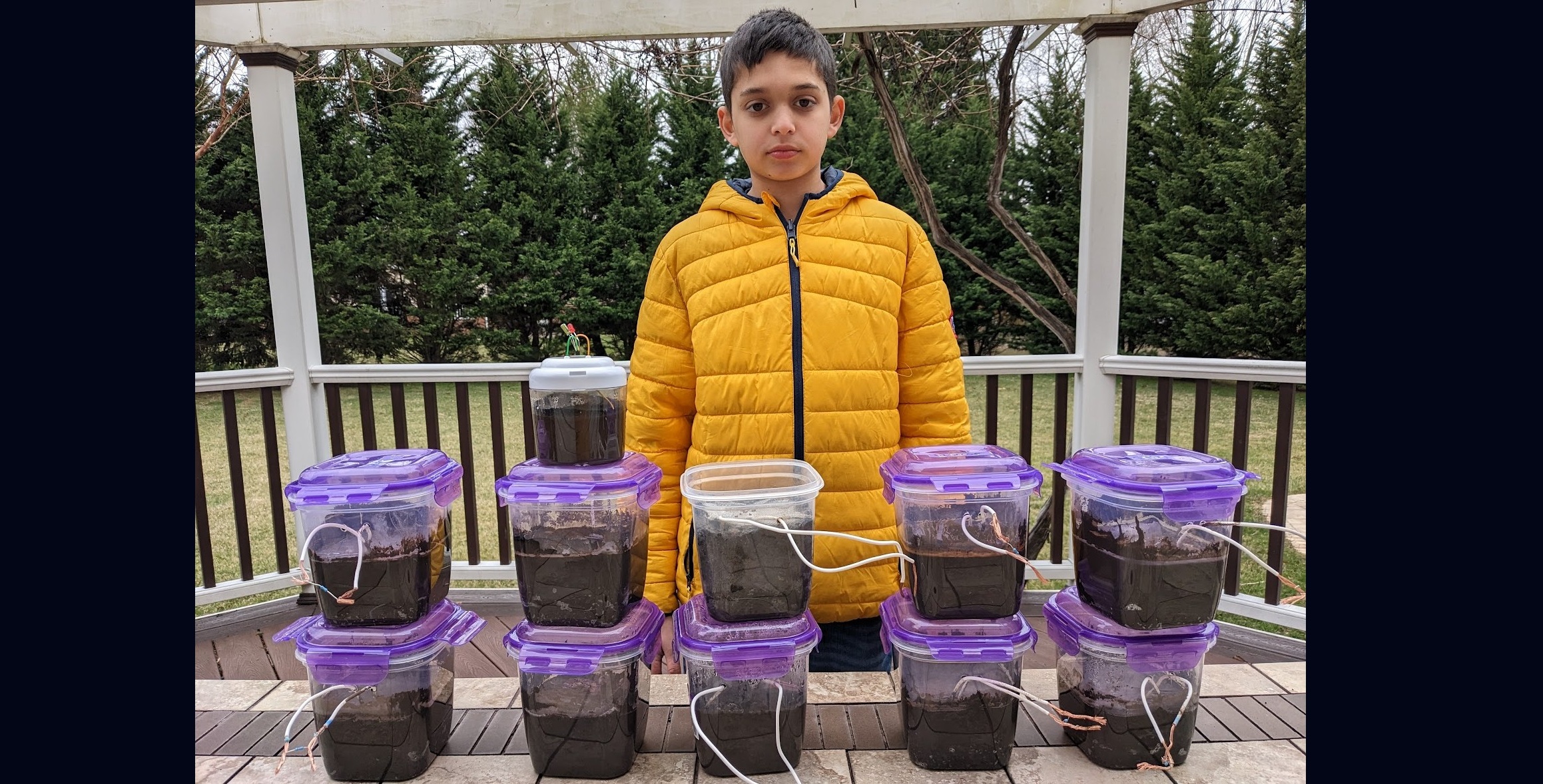
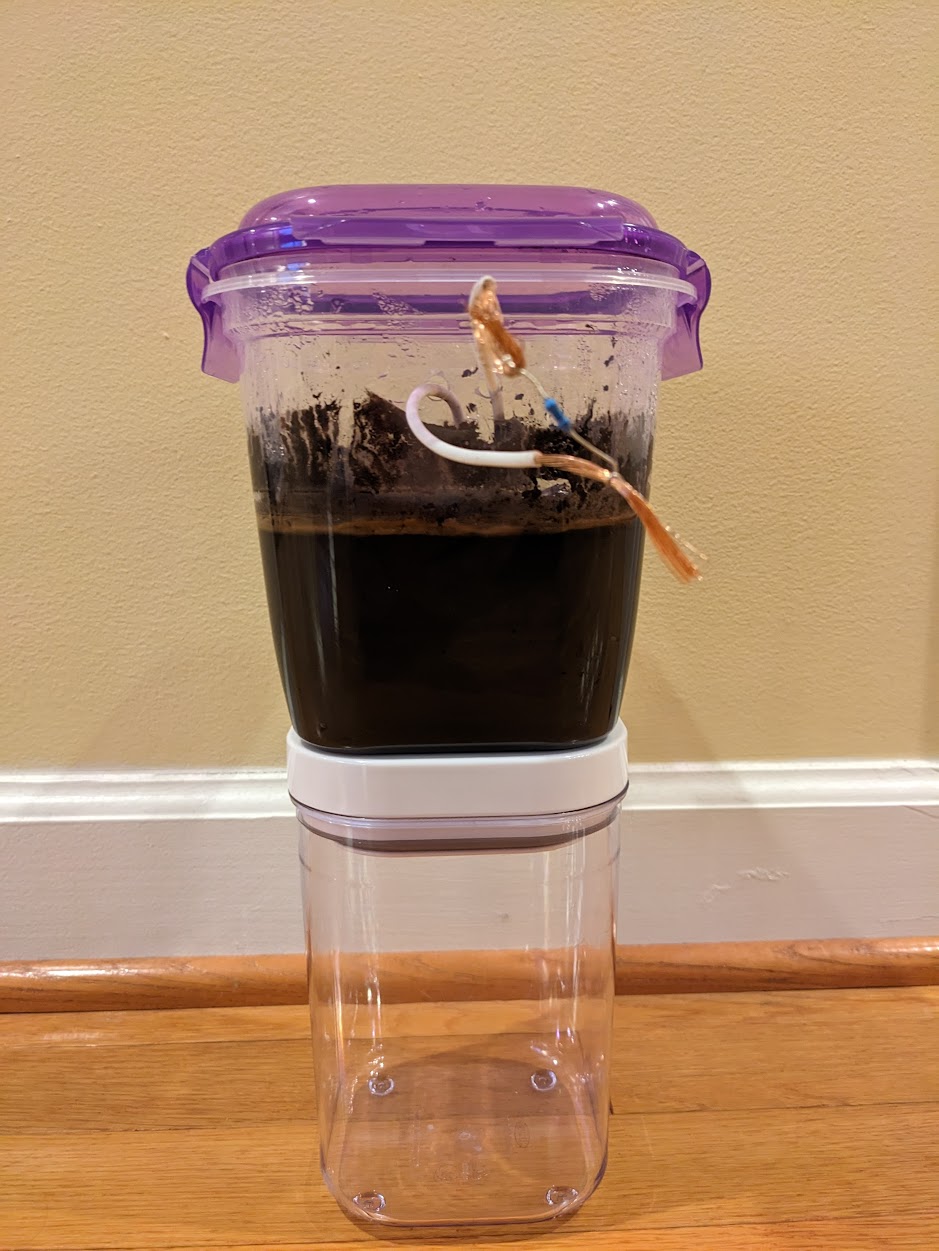
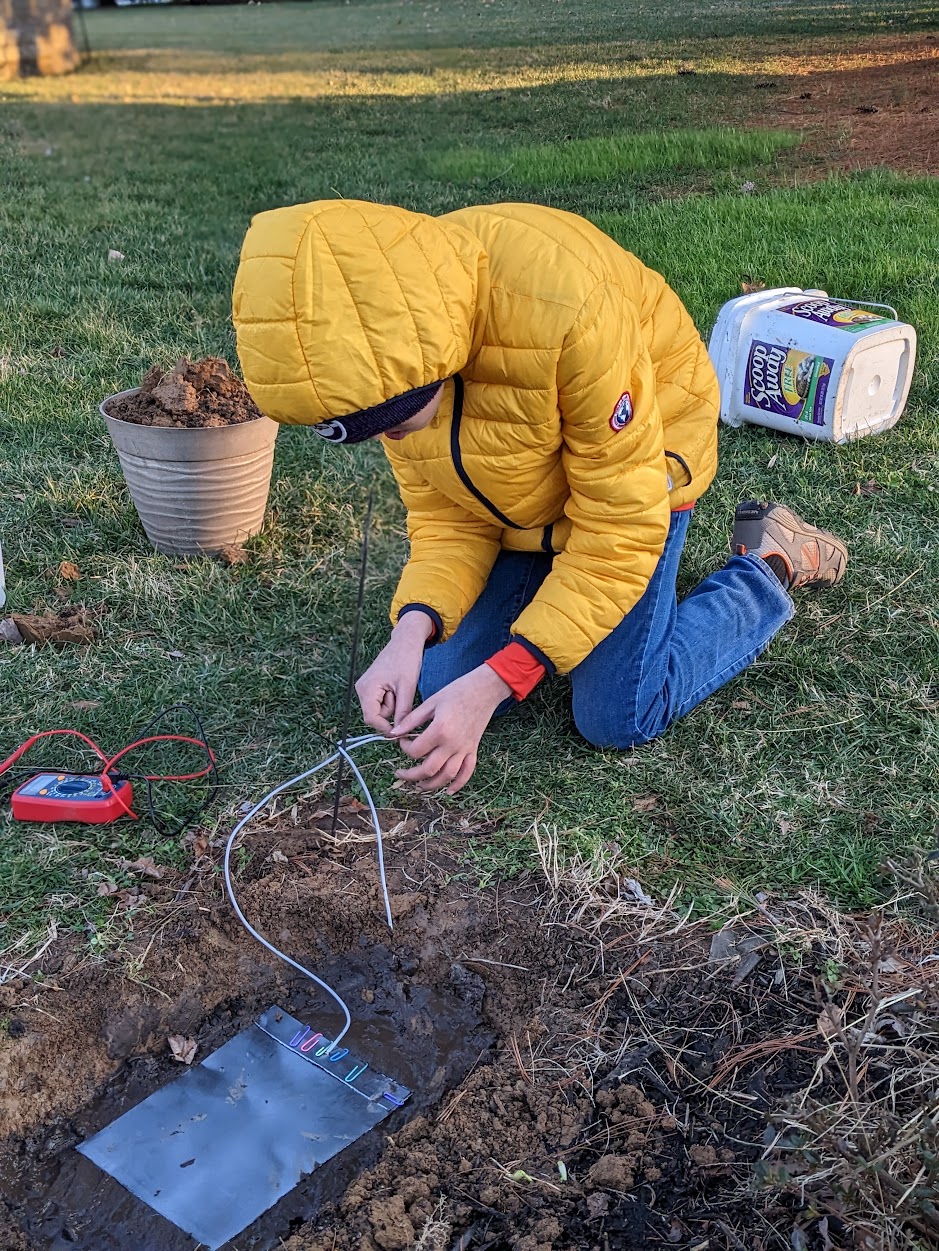
I constructed seven identical MFCs using storm‑drain soil, carbon‑graphite anodes and cathodes, and a fixed 100 kΩ load resistor, then changed only one variable at a time: temperature, nutrient type, or pH. One control cell was kept at room temperature with distilled water, while experimental cells were run hot or cold, amended with acetate or glucose, or adjusted to acidic or alkaline pH. Every 12 hours over about 400 hours, I measured voltage and current with a multimeter and calculated power to compare performance across all conditions.
Materials & Methods
Results
Across more than 400 hours of data, the colder MFC produced higher power for a longer period than the hotter MFC. The acetate‑amended MFC outperformed the glucose‑amended one, and the alkaline soil MFC generated more power than the acidic soil MFC, with the control in between. By the end of the experiment, several cells—especially the acetate and alkaline conditions—were still increasing in output, suggesting they had not yet reached their peak performance.
What I Learned
Through this project, I learned how to design a controlled experiment, keep one variable at a time constant, and collect long‑term electrical measurements from multiple MFCs in parallel. I also saw how bacterial metabolism, temperature, nutrients, and pH interact to shape real‑world energy output, and gained experience troubleshooting issues like unstable readings and electrode placement. This work showed me how a lab‑scale setup can connect to larger questions about sustainable power, wastewater treatment, and future bioenergy research.
Photos